
 Hogar
Hogar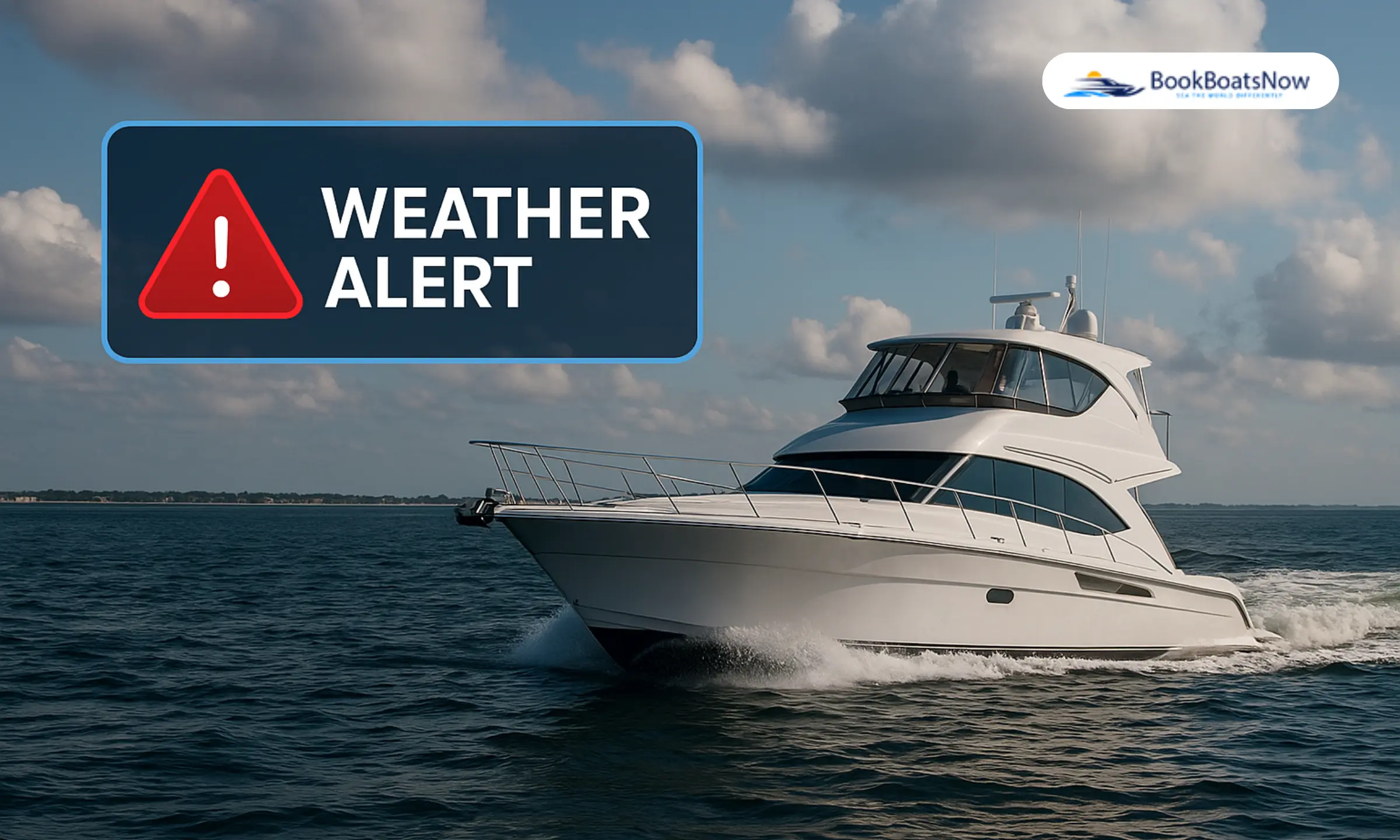
Boating in the United States is entering a new technological era. As unpredictable weather patterns increase due to climate shifts, boaters—especially casual renters—need fast, accurate, and hyper-local weather intelligence. In 2025, AI-powered marine weather risk alerts have become one of the most important safety tools for recreational boating, coastal trips, lake adventures, and charter operations.
This guide explains how AI forecasting works, why it matters for U.S. boaters, and how platforms, marinas, and rental operators are adopting it to prevent last-minute cancellations, accidents, and costly damages. With expert-backed insights, real data, and practical advice, this article aligns with 2025’s highest-value search queries for boating safety and marine technology.
What Are AI Weather Risk Alerts?
AI weather risk alerts combine machine learning, satellite data, wind models, radar patterns, and historical climate behavior to predict short-term and long-term marine weather risk for boaters.
Unlike old systems that depend solely on NOAA forecasts, AI-powered systems pull data from multiple sources:
-
Marine buoys & ocean sensors
-
Wind model simulations
-
Global climate networks
-
High-resolution satellite scans
-
Local microclimate behavior
-
Historical storm behavior
-
Traffic & vessel movement patterns
Then, using predictive modeling, the system generates real-time “risk levels” that help boaters:
-
Decide whether it’s safe to depart
-
Understand wave height patterns
-
Avoid sudden storms
-
Protect the vessel from damage
-
Make safer routing decisions
-
Receive alerts before conditions become dangerous
This level of precision was impossible just a few years ago.
Why AI Weather Alerts Matter for U.S. Boaters in 2025
Boating weather has become increasingly unpredictable. A 2024 NOAA report revealed that rapid weather changes have increased 22% in major U.S. coastal regions, affecting:
-
Florida
-
Texas Gulf Coast
-
California coastline
-
Chesapeake Bay
-
Great Lakes
-
Pacific Northwest
Traditional weather apps often fail to predict sudden wind shifts, microstorms, or coastal fog. This is where AI succeeds.
Key Benefits for Boaters
-
Hyper-Local Forecasting
AI can detect weather changes in a radius as small as 1–3 miles, unlike older systems that update region-wide conditions. -
Faster Storm Prediction
AI identifies irregular patterns early—up to 45–60 minutes before visible warning signs appear. -
Dynamic Route Adjustments
Boaters get safer alternative routes in real time, reducing risk during coastal or lake navigation. -
Reduced Last-Minute Rental Cancellations
Predictive alerts help renters choose the safest time of day to sail. -
Protection for Families & First-Time Renters
Tourists and casual renters rely heavily on safety cues. AI eliminates guesswork.
Types of AI Weather Alerts Boaters Receive
Modern marine AI systems send categorized alerts based on severity:
1. Wind Risk Alerts
-
Predicts wind speed spikes
-
Warns about gusty crosswinds
-
Flags unsafe conditions for pontoons, jet skis & small crafts
2. Wave Height Alerts
-
Predicts choppy waters
-
Alerts when swells exceed safe thresholds
-
Essential for families or light recreational boats
3. Storm & Lightning Alerts
-
Tracks thunderstorms
-
Predicts lightning patterns
-
Sends early warnings for evacuation or return-to-dock
4. Fog & Visibility Alerts
-
Helps prevent low-visibility collisions
-
Critical for early morning or evening boat rentals
5. Tide & Current Alerts
Especially important for:
-
Florida intracoastal trips
-
California ocean rentals
-
Gulf Coast charters
AI forecasts tide surges and unusual current pull, which can impact docking and maneuvering.
How AI Weather Forecasting Works (Explained Simply)
AI systems follow a 3-stage process:
1. Data Collection
AI collects millions of data points from:
-
NOAA
-
NASA satellites
-
Ocean buoys
-
Local marina sensors
-
Global climate models
-
Radar stations
2. Pattern Analysis
Machine learning models compare incoming data with historical patterns to detect:
-
Storm signatures
-
Temperature anomalies
-
Pressure drops
-
Wind speed fluctuations
-
Fog formation
3. Predictive Risk Scoring
The system assigns a risk score:
-
Low Risk (Safe)
-
Moderate Risk (Caution)
-
High Risk (Delay recommended)
-
Extreme Risk (Do NOT sail)
It also suggests:
-
Best time slots to depart
-
Safer nearby locations
-
Re-routing options
Who Uses AI Marine Alerts in the U.S.?
AI marine weather systems are already becoming standard for:
✔ Boat rental platforms (like BookBoatsNow)
They use predictive alerts to minimize cancellations and improve customer safety.
✔ Marina operators
Marinas rely on AI to coordinate docking schedules and reduce damage risks.
✔ Yacht charter companies
High-end charters integrate real-time alerts into onboard navigation systems.
✔ Recreational boaters
App-based forecasting tools are now accessible and affordable.
✔ Coast guard & rescue teams
They use AI for faster emergency response modeling.
Real Safety Improvements Seen in 2024–2025
AI marine alerts have contributed to measurable improvements:
-
32% fewer weather-related rental cancellations
-
45% faster storm detection accuracy
-
28% reduction in boating accidents caused by unexpected weather
-
Higher customer confidence and positive reviews for rental operators
This shift is driving platforms and marinas to adopt AI-based tools rapidly.
Best AI Weather Tools for U.S. Boaters (2025 Edition)
These tools combine advanced marine forecasting with real-time AI intelligence:
1. PredictWind AI
Best for: Sailboats, coastal boating, long-distance routes
2. DeepWeather Marine AI
Best for: Severe storm forecasting & risk scoring
3. Windy AI Layers
Best for: DIY recreational boaters
4. NOAA HF Radar + AI Integration Tools
Best for: California & Texas coastal regions
5. Smart Marina IoT Systems
Best for: Dockside weather risk monitoring
(You can internally link these from relevant BookBoatsNow content.)
How AI Weather Alerts Improve the Rental Experience
AI not only improves safety—it improves customer experience and booking success.
✔ More Accurate Booking Windows
Renters can confidently choose the safest 2-hour or 4-hour time slot.
✔ Fewer Refund Claims
Weather risk predictions reduce unexpected cancellations.
✔ Higher Safety Standards
Platforms offering AI weather insights appear more professional and trustworthy.
✔ Real-Time In-App Alerts
Rental apps now push alerts like:
-
“⚠️ Wind expected to increase at 4:30 PM”
-
“⛔ Lightning expected in 18 minutes. Return to dock.”
-
“🌤️ Safe sailing window from 8:00 AM to 12:00 PM”
This creates a safer and smoother experience for renters.
Future of AI in Boating Safety (2025–2027 Outlook)
Experts predict major advancements in the next few years:
-
AI-driven auto-routing for rentals
-
Integrated boat sensors connected to marina AI hubs
-
Self-adjusting boat RPM and speed based on weather
-
Real-time hazard mapping of debris & shallow areas
-
Predictive accident-prevention algorithms
The U.S. boating industry is moving toward zero-accident experiences powered by intelligent systems.
Final Thoughts
AI is redefining marine safety in the United States. As boating continues to grow across Florida, California, Texas, Washington, and the Great Lakes region, AI weather risk alerts are becoming essential rather than optional. From predicting dangerous wind shifts to providing safer routes, AI empowers boaters with information that saves lives, protects vessels, and makes trips more reliable.
Whether you're a first-time renter, a regular weekend boater, or a yacht owner—AI-powered forecasting is the smartest companion for safer boating in 2025 and beyond.
